
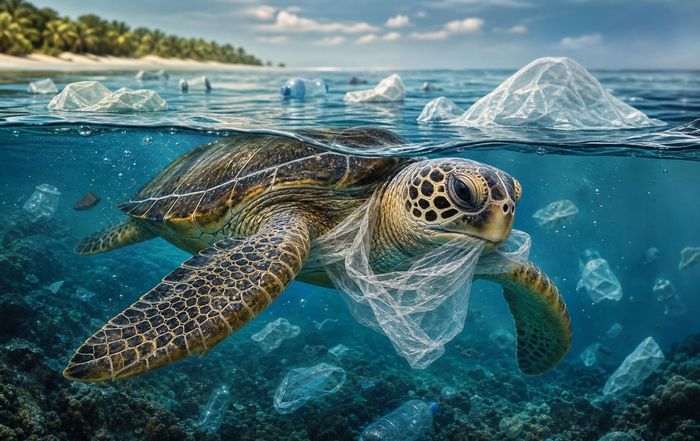
Turtles in Trouble: How Our Disgusting Plastic Addiction Is Destroying Them
This is absolutely infuriating.
Sea turtles have existed on this planet for over 100 million years. Let that sink in. These incredible creatures survived the asteroid that wiped out the dinosaurs. They endured ice ages. They adapted to massive shifts in ocean conditions and coastlines. And now, in just a few pathetic human generations, we're killing them with our garbage.
That's right-our throwaway plastic bags, our stupid balloon releases, our convenience-obsessed culture is pushing these ancient survivors toward extinction. It's disgraceful, and frankly, we should all be ashamed.
The Catastrophic Scale of Our Failure
Every single year, humanity churns out hundreds of millions of tons of plastic. And where does a massive chunk of it end up? In the ocean. Millions of tons of our waste pour into marine environments through rivers, storm drains, illegal dumping, and careless littering. We're essentially using the ocean as our personal garbage dump.
Here's what makes it even worse: plastic doesn't just disappear. It doesn't biodegrade like natural materials. Instead, it breaks into smaller and smaller pieces-microplastics and nanoplastics-that persist for decades or even centuries. We've permanently contaminated the planet's waters with our trash.
For turtles, this nightmare means their feeding grounds are swimming with plastic. Their nesting beaches are littered with debris. Their migration routes cross through massive "garbage patches" where our waste accumulates in sickening concentrations.
All seven species of sea turtles are affected. Six are already threatened or endangered, and we're piling plastic pollution on top of every other problem they face. How dare we be so careless with creatures that have been here millions of years longer than us?
The Cruel Deception: Why Turtles Eat Our Garbage
One of the most heartbreaking ways plastic kills turtles is through ingestion. And here's the infuriating part-they eat it because our trash looks and smells like their food.
Plastic bags floating in the water look exactly like jellyfish, a primary food source for leatherback turtles. Floating fragments resemble fish eggs or algae. Clear plastic films mimic gelatinous prey. These animals aren't stupid-their brains are wired to respond to certain shapes and movements. They've evolved over millions of years to hunt effectively. They never evolved to distinguish between a drifting jellyfish and our discarded shopping bag.
But it gets worse. Scientists have discovered that plastic floating in the ocean becomes coated with algae and bacteria-a biofilm that releases odors similar to natural food sources. So our garbage doesn't just look like food; it actually smells like food too. We've created the perfect death trap.
Young turtles are especially vulnerable. Juveniles feed on whatever looks edible floating in the open ocean. When real food is scarce, they'll eat anything that seems promising. Our plastic is everywhere, waiting to fool them.
The Horrific Consequences of Eating Plastic
Once a turtle swallows plastic, the results range from agonizing to fatal. And it's absolutely sickening to think about what we're putting these animals through.
Swallowed plastic can block their digestive tracts entirely. The turtle can't pass food, can't absorb nutrients, and slowly starves to death in excruciating pain. Plastic can puncture or tear their gut lining, causing internal bleeding and infection. It can cause gas buildup that affects their buoyancy, leaving them floating helplessly at the surface, unable to dive for food or escape predators and boats.
Studies show that ingesting just a few pieces of plastic significantly increases a young turtle's risk of death. A few pieces! That's how little it takes to kill a juvenile whose intestines can be blocked easily.
Even when plastic doesn't kill immediately, it fills their stomachs with worthless garbage. The turtle feels "full" and stops eating real food. Malnutrition sets in. Growth slows. Disease resistance weakens. Young turtles that should be growing quickly to survive predators instead waste away with bellies full of our trash.
And the chemical contamination? Plastics contain flame retardants, plasticizers, and colorants. In the ocean, they absorb pesticides, heavy metals, and industrial chemicals like toxic sponges. When turtles ingest this poisoned plastic, these chemicals leach into their tissues, disrupting hormones, affecting reproduction, and compromising immune function.
We're not just filling these animals with garbage-we're poisoning them.
Entanglement: Trapped in Our Waste
As if ingestion weren't enough, turtles also become entangled in our discarded plastic. Abandoned fishing nets, packing straps, plastic ropes, and those idiotic six-pack rings turn into death traps.
Turtles swim through loops of rope or netting that tighten around their flippers, necks, or shells. They get trapped in massive drifting ghost nets. Young turtles, seeking shelter in floating debris, find themselves caught in what looked like a safe hiding place.
The consequences are brutal. Entangled turtles drown because they can't reach the surface to breathe. Plastic cuts deep into their flesh, causing severe wounds and infections. Tight constriction amputates flippers. Growing turtles become permanently deformed when plastic rings restrict their shell development.
Even rescued turtles often suffer permanent damage. A female with missing or deformed flippers may never be able to crawl up a beach to nest. We're not just killing individual turtles-we're destroying their ability to reproduce.
Poisoned Nesting Beaches
The beaches where turtles have nested for millions of years are now contaminated with our garbage. It's absolutely unacceptable.
When a pregnant female drags her heavy body across the sand, large debris can block her path entirely. She may turn back to the sea without nesting, wasting precious energy and potentially reducing the eggs she can lay. Repeated failed attempts cause stress that affects reproduction.
Plastic buried in sand or lying on nests changes temperature and moisture conditions around developing eggs. This is catastrophic because turtle sex is determined by nest temperature-warmer nests produce more females, cooler ones more males. If plastic alters these conditions, it can skew sex ratios in populations already stressed by climate change and reduce hatching success.
When hatchlings finally emerge, they instinctively move toward the brightest horizon-historically, moonlight reflecting off the ocean. But plastic debris blocks their paths, traps them, creates confusing shadows, and hides them from view while they dehydrate or get eaten by predators.
We've turned their ancient nurseries into obstacle courses of death.
Every Life Stage Under Attack
Plastic attacks turtles at every single stage of their lives. There's no escape from our garbage.
Eggs and hatchlings face contaminated nests and debris-strewn beaches. Those tiny hatchlings that reach the surf immediately encounter floating plastic. A single small piece can kill them.
Juveniles spend years in open ocean nursery areas where floating seaweed accumulates-and guess what else accumulates there? Our plastic. These young turtles feed on small organisms around the seaweed and accidentally ingest microplastics mixed in. They use floating debris as shelter and get entangled. This critical life stage already has naturally high mortality, and we've made it even deadlier.
Adults migrating between feeding grounds and nesting beaches cross coastal areas polluted by human activity, ocean gyres concentrated with plastic, and fishing zones full of ghost gear. They face chronic exposure to plastic-laden waters throughout their entire lives.
Because turtles are long-lived and slow to mature, losing breeding adults devastates population stability. We're killing the very individuals these species need most to survive.
Part of a Larger Catastrophe
Plastic is just one piece of the destruction we're inflicting on turtles. Habitat loss from coastal development destroys nesting beaches. Climate change raises sand temperatures and sea levels. Fisheries accidentally catch and kill thousands in their nets. Poachers harvest them for meat, eggs, and shells. Boats strike and kill them in busy waters.
Plastic pollution makes all these problems worse. A turtle weakened by plastic ingestion is less likely to survive a boat strike or infection. Plastic-covered beaches push nesting females to less suitable areas already squeezed by development. Ghost gear from industrial fishing combines bycatch risk with entanglement.
The speed and intensity of human impacts may exceed these animals' capacity to cope. After 100 million years of survival, we might wipe them out in a few decades.
Why This Should Enrage Everyone
Turtles aren't just charismatic animals-they're essential to healthy marine ecosystems. Green turtles graze seagrass, keeping it healthy and supporting countless other species. Hawksbill turtles control sponges on coral reefs, helping corals thrive. Nesting turtles transport nutrients from ocean to land.
Losing turtles means losing these ecological services. We're not just destroying individual animals-we're unraveling entire marine systems.
The Unacceptable Truth
If nothing changes, more turtles will starve with stomachs full of plastic. More will drown in ghost nets. More nests will fail on debris-buried beaches.
This is not inevitable. We created this crisis, and we can solve it. But it requires actually caring enough to change-reducing plastic use, disposing of waste responsibly, supporting protective policies, and demanding better from corporations and governments.
Every piece of plastic kept out of the ocean matters. Every cleaner beach helps. The choice to protect turtles rests with us.
And right now, we're failing miserably.
